Can Indoor Golf Improve Your Real Game?
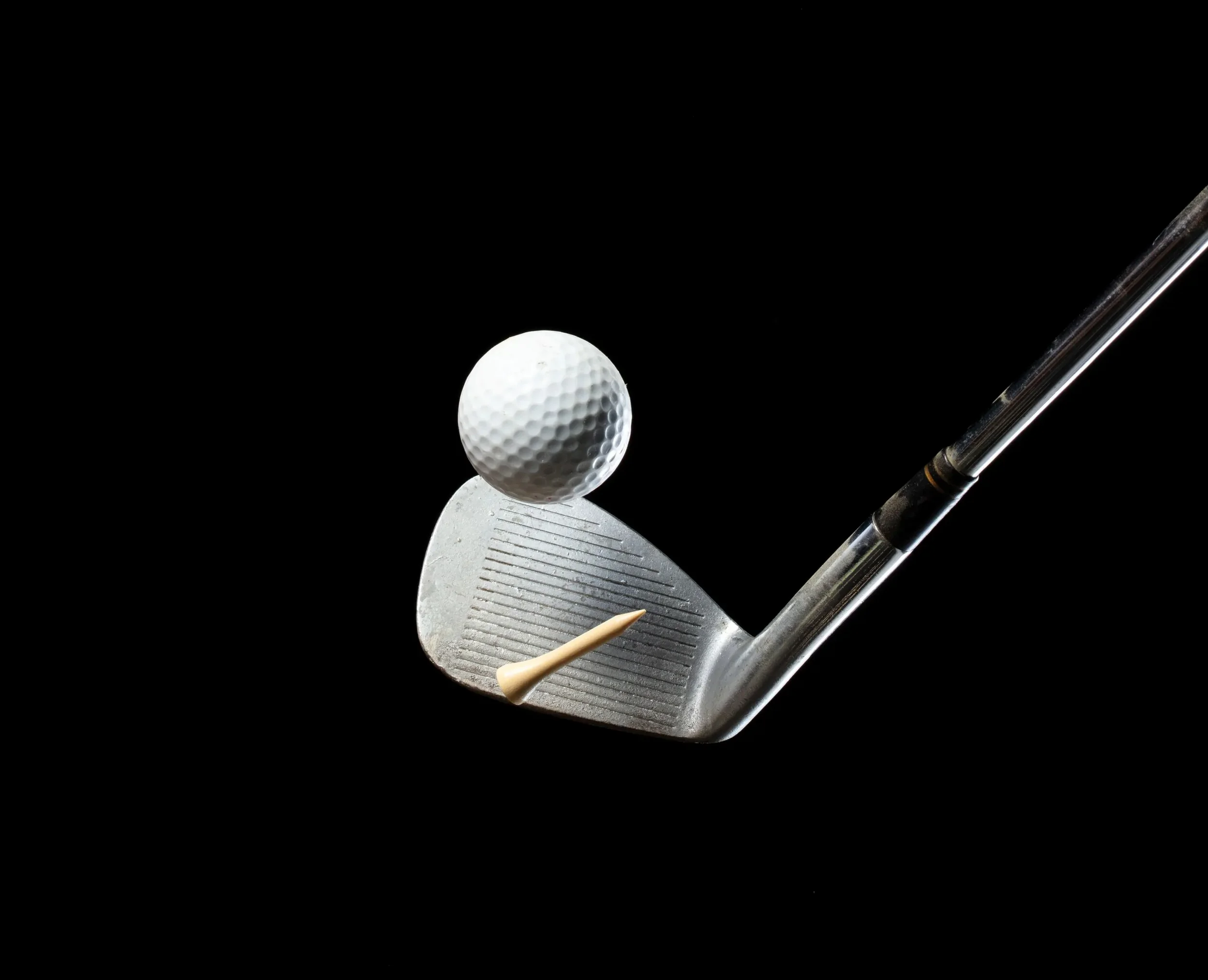
Can indoor golf improve your real game depends on how simulator sessions are used, not just how often they happen. When golfers practice with measurable feedback and structured goals, simulator work can sharpen swing delivery, contact, and distance control before returning outdoors, an approach supported by training environments like Slyce Golf.
How Simulator Practice Transfers to Outdoor Performance
Transfer happens when indoor work changes measurable swing variables that directly influence ball flight on the course. Face control, path, contact location, and speed all affect real shots, and these variables can be tracked and adjusted indoors with immediate feedback. When changes are small and repeatable, the golfer builds patterns that hold up outside rather than relying on feel alone.
What Simulators Do Better Than the Driving Range
Simulators provide controlled repetition, consistent feedback, and reliable distance data that are difficult to achieve outdoors where weather, turf, and ball conditions vary.
Swing Consistency Through Repetition
Consistent lies and stable footing allow golfers to repeat the same motion without environmental variables changing the result. When a swing change is being learned, this consistency helps isolate movement patterns and reduces confusion about whether the swing or the surface caused the outcome.
Improving Contact Quality
Impact location on the clubface strongly affects distance and direction, and indoor feedback often highlights this more clearly than ball flight alone. Many systems provide strike or spin data that reveals thin, heavy, or off centre contact, allowing faster adjustment than guessing based on trajectory.
Distance Control and Gapping
Launch data makes distance control measurable rather than estimated. Carry distance, ball speed, and launch angle allow golfers to build reliable yardage gaps between clubs instead of relying on visual range markers.
Shot Diagnostics and Data Feedback
Simulators show cause and effect relationships between swing delivery and ball flight. Key variables such as club path, face angle, launch, spin, and speed help golfers understand why a shot curved or flew a certain distance rather than simply observing the result.
Focused Practice vs Casual Ball Hitting
Indoor sessions encourage structured practice because every shot can be tied to a number or objective. This makes it easier to set targets such as improving face control or tightening distance windows instead of hitting balls without a clear purpose. Many players use structured simulator sessions at Slyce Golf specifically to work on defined performance goals.
Where Indoor Golf Has Limits
Simulators cannot fully replicate uneven lies, wind, turf interaction, or the visual depth of real courses. Short game shots that depend on ground reaction, rough interaction, and green speed are also harder to duplicate accurately indoors. Decision making under pressure and course management still require on course play to develop fully.
Using Data Intentionally for Skill Improvement
Data only helps when it connects to a clear objective.
The most useful data for improvement often includes:
Clubface direction relative to target.
Club path direction.
Ball speed and carry distance.
Launch angle and spin rate.
These numbers should be tied to one change at a time, because adjusting multiple variables simultaneously makes it difficult to know what actually improved performance.
Practice Structure That Produces Real Results
Structured sessions create more transfer than random shot making.
Effective structure often includes:
A clear focus for the session, such as face control with a mid iron.
Small blocks of repetition with feedback after each group of shots.
Periodic performance shots where the golfer goes through a full routine and commits to a target.
Players who schedule sessions in advance through the Slyce Golf online booking system often find it easier to maintain consistent practice frequency and structure.
Common Misunderstandings About Simulator Training
A common misconception is that volume alone leads to improvement, but repetition without feedback or intention often reinforces existing habits. Another misunderstanding is that perfect indoor numbers guarantee outdoor results, when in reality some skills still depend on adapting to weather, lies, and visual depth. Simulators are most effective when used to refine measurable swing and distance control skills, while outdoor play is used to test adaptability and decision making.